
What is an Explosion-Proof Electric Actuator? Principles, Features, Applications & Selection Guide
author: ATHENA GROUP
2026-07-06
Risk Disclaimer: This article serves only as a technical reference for actuator selection, not a substitute for professional Hazardous Area Classification (HAC) analysis. Installation must comply with local codes; improper operation may cause safety accidents and property losses.
1. Definition
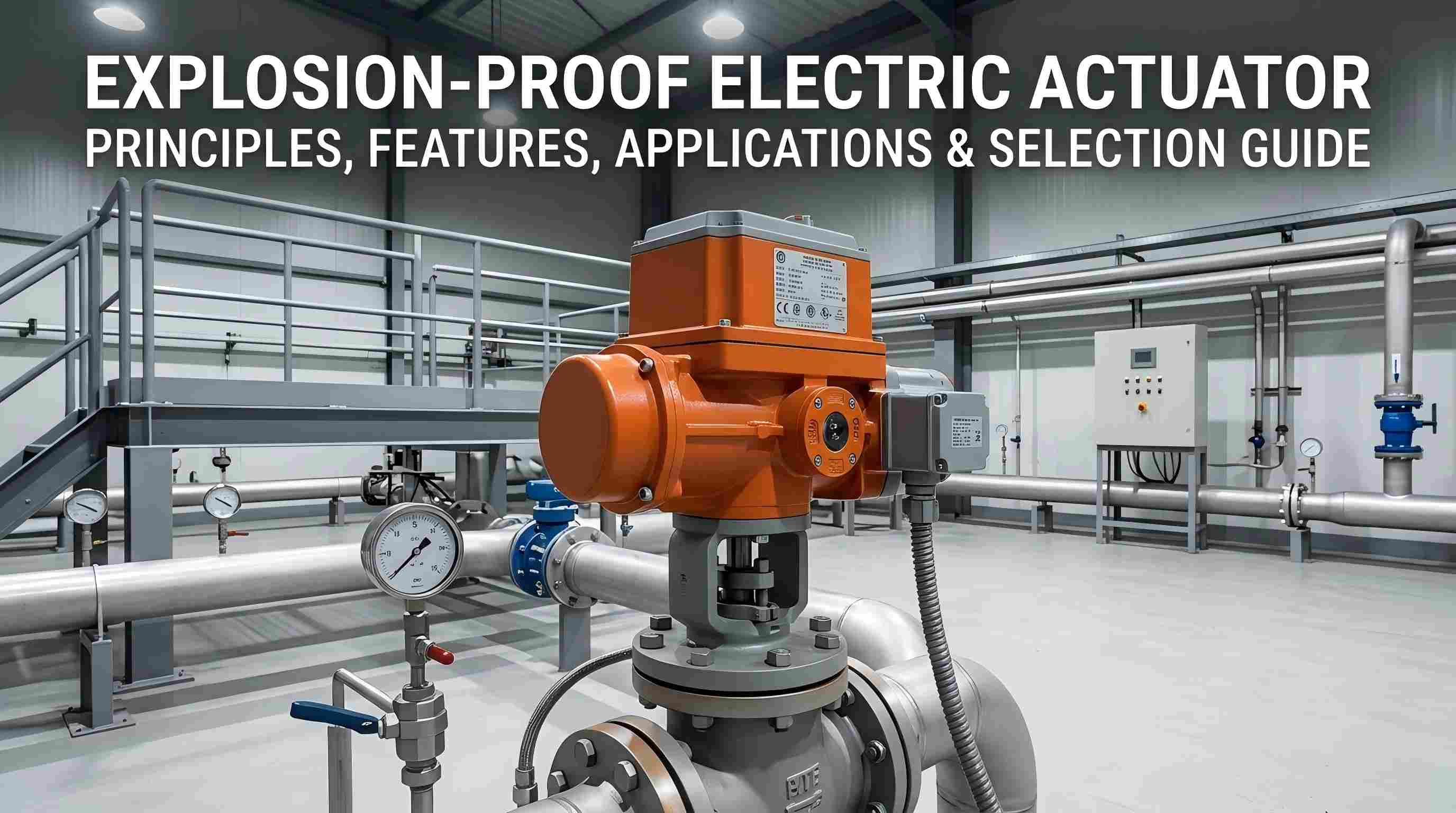
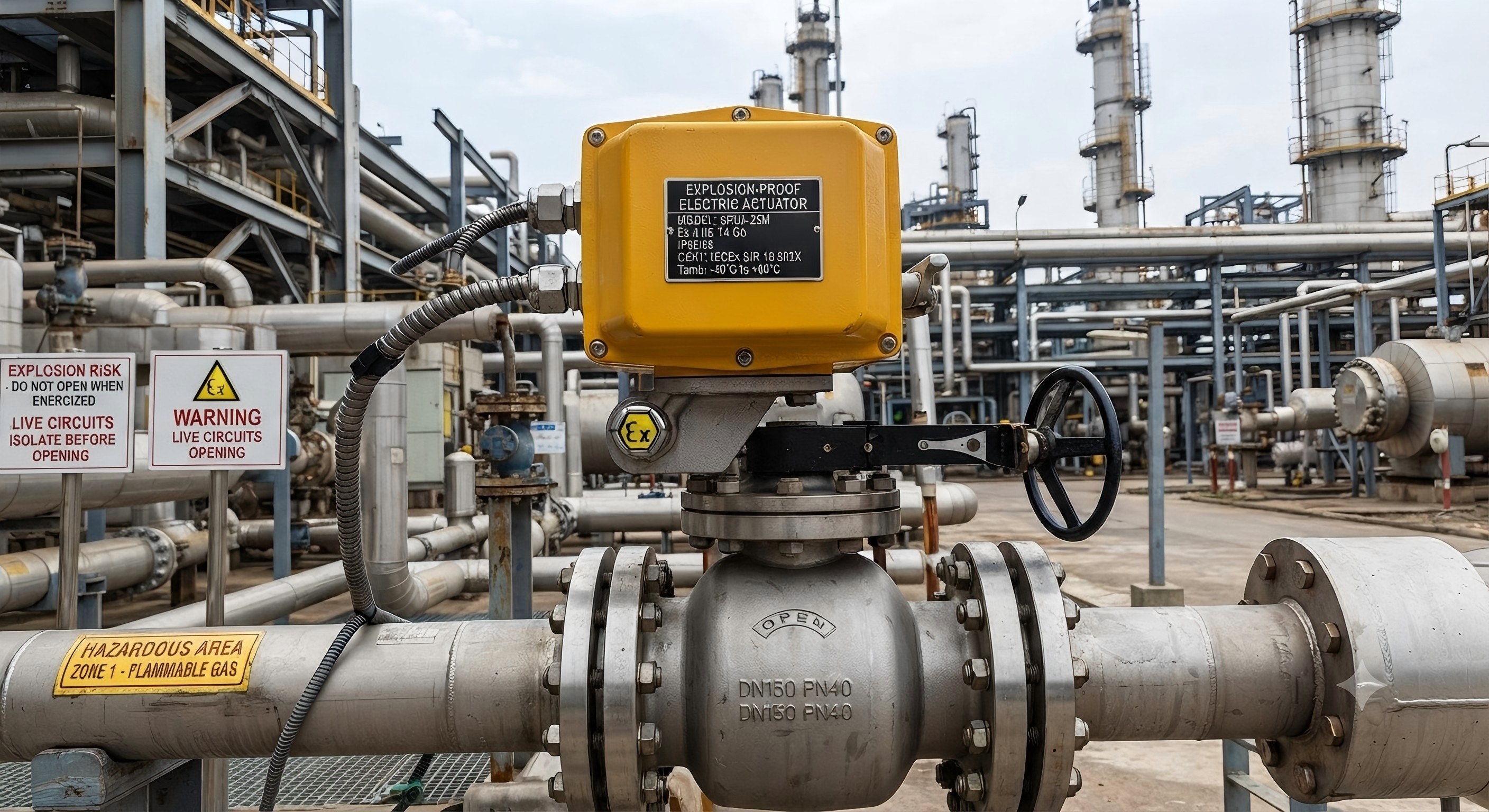
An explosion-proof electric actuator is a valve drive unit for flammable and explosive hazardous areas, controlling valve switch and modulation to realize remote pipeline media control. Ordinary actuators produce sparks or high surface heat that may trigger explosions in dangerous atmospheres. Explosion-proof models adopt special sealing, flameproof and energy-limited structures to isolate internal ignition sources from external hazardous media and eliminate explosion risks, widely used in chemical, oil and gas high-risk plants.
2. Explosion-Proof Mechanisms
- Flameproof (Ex d, mainstream): Thick cast aluminum/iron sealed enclosures form flameproof chambers. Internal sparks or minor blasts are contained by pressure-resistant housings; flameproof joints cool and extinguish escaping hot gas to avoid external ignition, suitable for most hazardous zones.
- Intrinsically Safe (Ex i): Low-power circuits restrict internal energy. No ignition sparks or high heat occur under normal or faulty conditions, ideal for ultra-high-risk zone signal control.
3. Standards & Explosion Grades
Global standards follow IEC 60079 series, consistent with China GB3836, EU ATEX/IECEx and North American UL/CSA/FM.
- Eurasian Ex d: Flame cooling design, widely adopted; common grades Ex d IIB T4, Ex d IIC T6 (T6 has lower surface temperature, higher safety).
- North American XP: Pressure-resistant shell design for local industrial sites.
4. Classification
- Multi-turn: For gate/globe valves, large torque for main chemical pipelines.
- Part-turn: 90° rotation for ball/butterfly valves, used in gas & oil pipelines.
- Linear stroke: Linear reciprocating motion for precise regulating/throttle valves.
5. Comparison with Ordinary Actuators
- Shell: Thin simple housing vs thick sealed flameproof enclosure
- Circuit: Unprotected arc generation vs energy-limited anti-spark design
- Application: Common workshops only vs Zone 1/2 explosive hazardous areas
- Certification: No explosion-proof certificate vs official explosion-proof certification for safety inspection pass
6. Application Scenarios
Oil refineries, gas stations, chemical/pharma coating workshops, hydrogen/biogas plants, flour/aluminum dust processing workshops, LNG and urban gas pipeline stations.
7. Core Selection Rules
- Match local explosion standard, zone classification and medium temperature grade.
- Select actuator type matching valve: multi-turn for gate/globe, part-turn for ball/butterfly, linear for regulators.
- Calibrate torque/thrust against valve size, medium pressure and temperature to prevent jamming.
- Choose switch, modulating or intelligent bus types per plant automation demands.
8. Summary
As essential safety control components for high-risk industries, explosion-proof actuators eliminate electrical ignition risks via flameproof/intrinsically safe structures under global unified standards. Avoid vague "universal explosion-proof" selection; match regional standards and working conditions, and arrange certified installation to ensure long-term safe operation.
Application of Electric Actuators in Petrochemical and Water Treatment Industries
Pneumatic Actuated Valve vs Electric Valve: Which Is Better?
Related Article
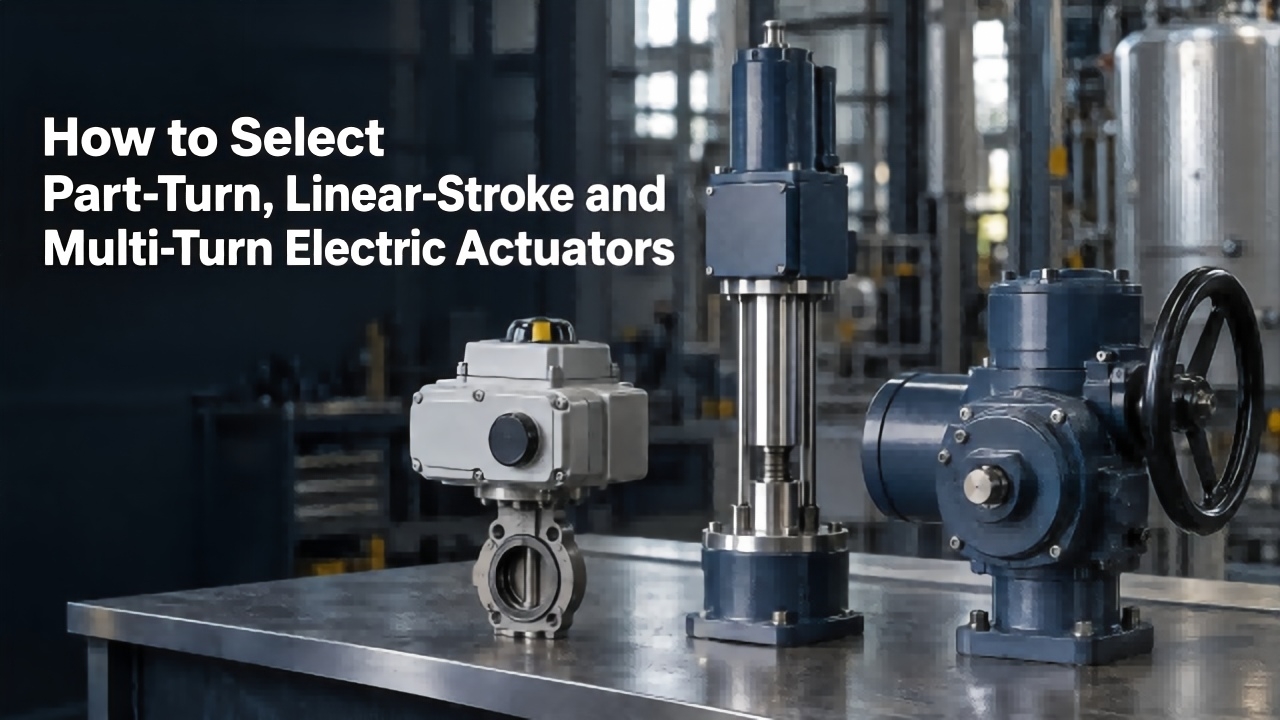
Learn differences among part‑turn, linear‑stroke and multi‑turn electric actuators. This guide covers matching valves, torque‑thrust calculation, 5‑step selection process and typical pitfalls for your industrial actuator applications.
How to Select Part‑Turn, Linear‑Stroke and Multi‑Turn Electric Actuators
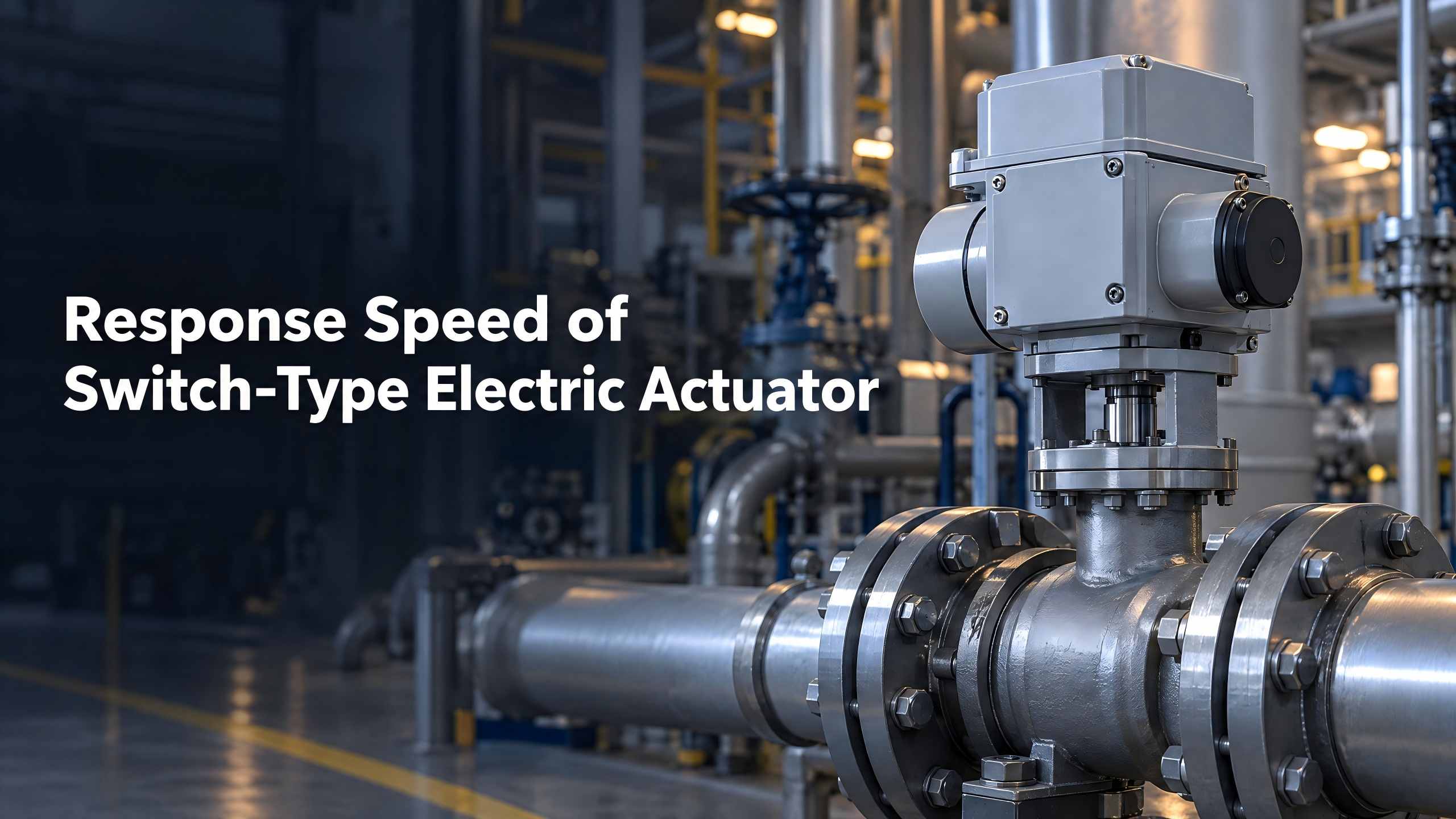
Learn about electric actuator response speed, internal and external influencing factors and key selection points, to select suitable actuators for valve automation projects and ensure efficient and stable system operation.
Response Speed of Switch‑Type Electric Actuator
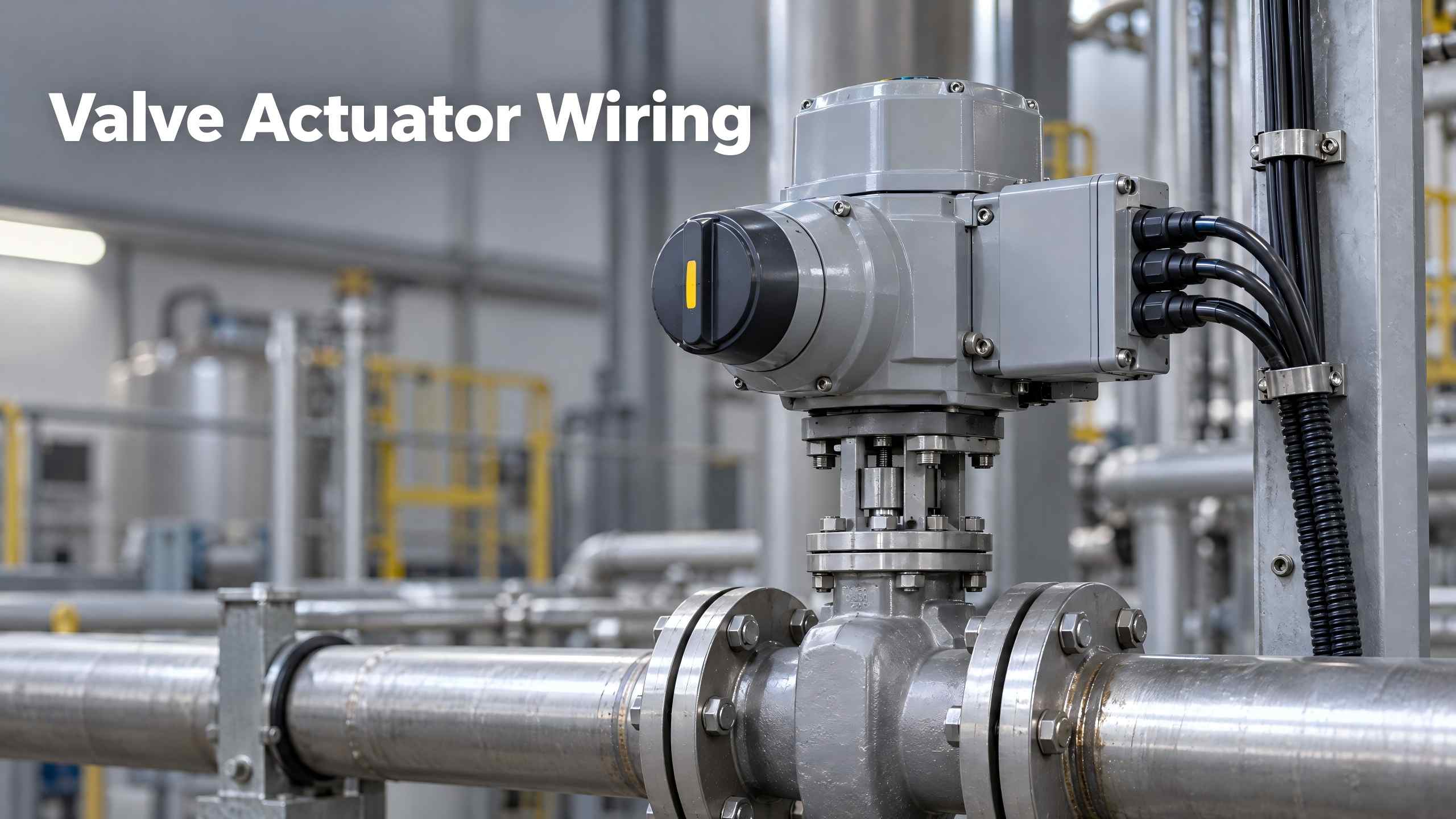
Valve Actuator Wiring describes wiring, commissioning and troubleshooting for electric valve actuators, guiding technicians to adopt standard wiring for stable industrial control.
Valve Actuator Wiring
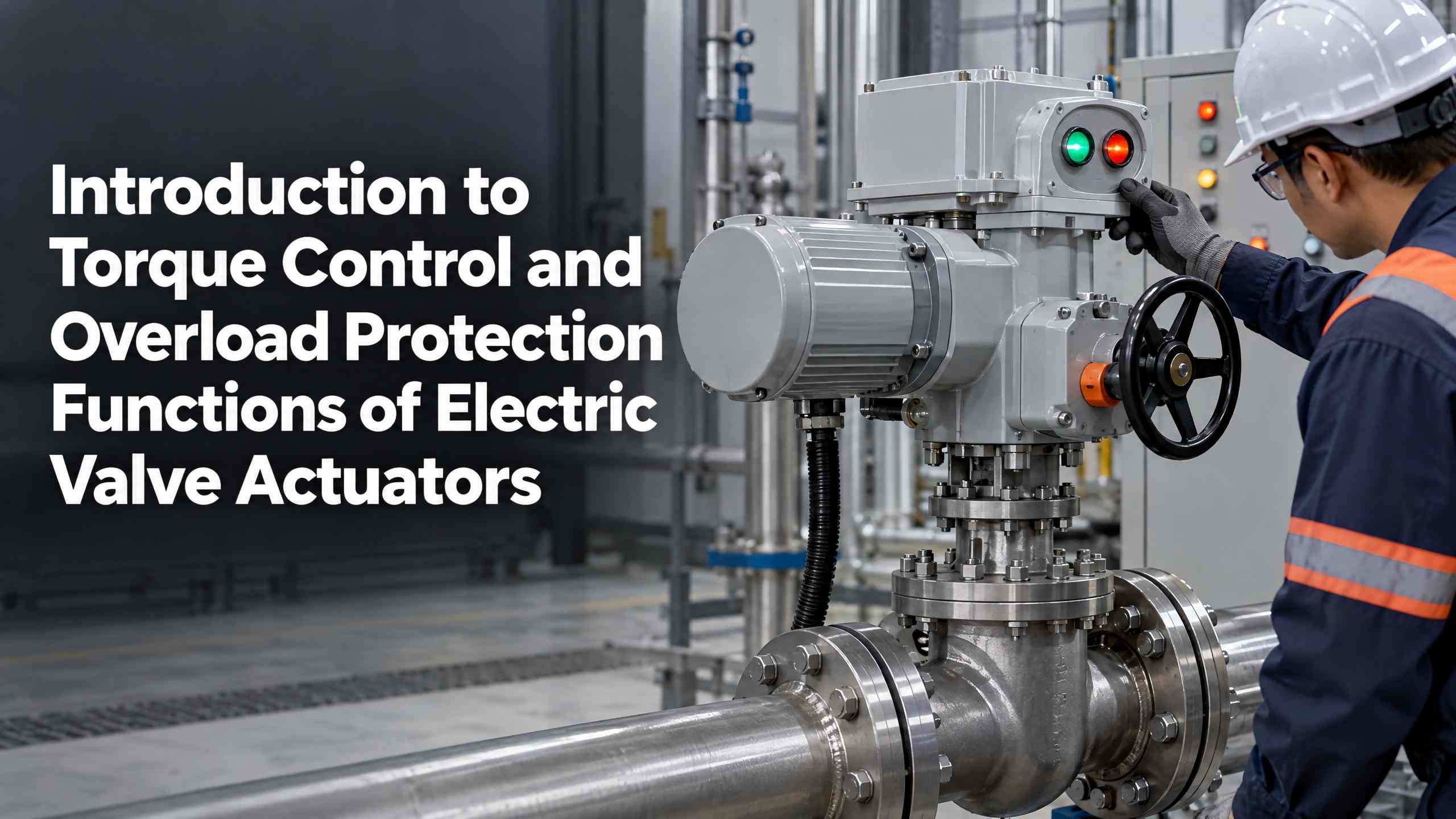
Valen Tech explains electric valve actuator torque control and overload protection functions. Learn how multi‑turn & part‑turn actuators prevent jamming and mechanical damage for petroleum, chemical, power and water pipeline systems.
Introduction to Torque Control and Overload Protection Functions of Electric Valve Actuators